
3 Critical Decisions for Integrating Single-Use Skids with DeltaV
This article focuses on the decisions that reduce integration risk early. Rather than covering every execution detail, it provides a practical framework for aligning scope, architecture, and responsibility boundaries so projects stay operable, compliant, and on schedule.
Table of Contents
Single-use skids can accelerate biomanufacturing by enabling faster changeovers and flexible capacity. But in a DeltaV-based GMP facility, skid integration is rarely plug-and-play. The biggest risks tend to show up late, during FAT/SAT or commissioning, when teams discover unclear control boundaries, inconsistent alarms, or incomplete vendor handoff documentation.
Why single-use skid integration creates outsized risk in DeltaV environments
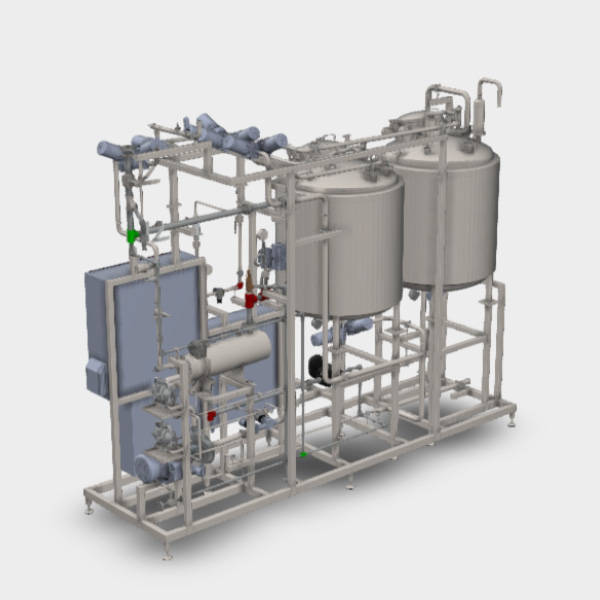
- Multi-vendor skids often arrive with different standards for tags, alarms, and data context.
- Skids can function as “black boxes,” making ownership boundaries unclear between the skid PLC and site DeltaV.
- Late alignment typically drives rework, schedule slips, and avoidable operational risk.
“The failure modes to watch: inconsistent standards across units, introducing modified components mid-project, vendor black boxes without proper tagging documentation, and skid integration gaps when tag mapping is left too late.”
Tim Schultz
Automation Engineer
Let’s design skid integration that works with your DeltaV strategy—not against it.
Our automation engineers bring deep experience in GMP environments, helping standardize tagging, define clear control boundaries, and build scalable architectures that support repeatability from first deployment through multi-site expansion.
The 3 decisions that determine integration success
1: Define control boundaries (who’s in charge of what)
- Monitoring only vs supervisory control vs recipe coordination.
- Rule of thumb: keep integration simple unless multi-unit coordination or site standards require deeper control.
2: Standardize what operators will see (alarms + data that actually matter)
- Align on an “operability baseline” so operators don’t relearn every skid.
- Decide which signals must be brought into DeltaV versus left local to the skid.
3: Lock the vendor handoff package early (to avoid FAT/SAT surprises)
- Define interface requirements and documentation expectations upfront.
- Confirm responsibility split: vendor vs site vs integrator.
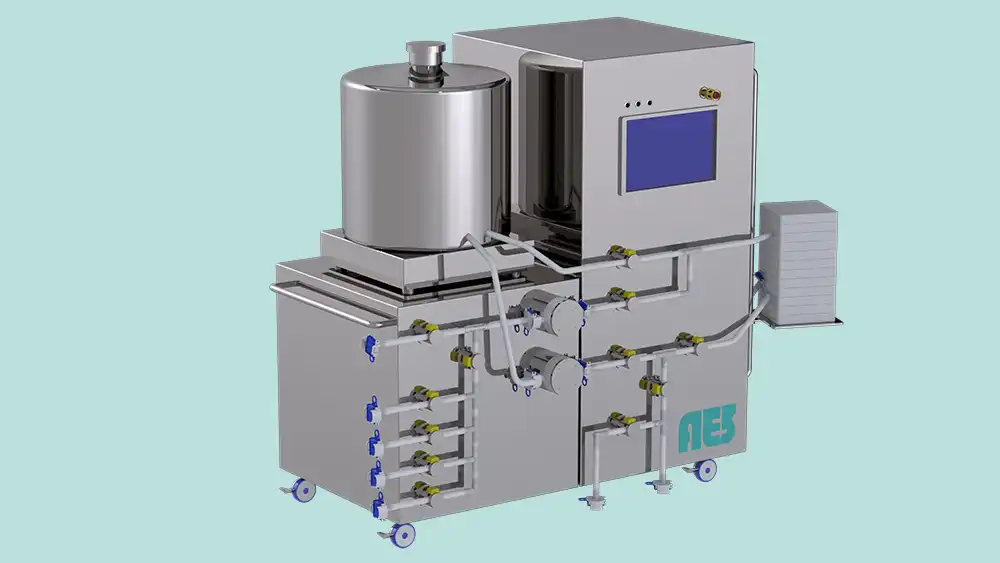
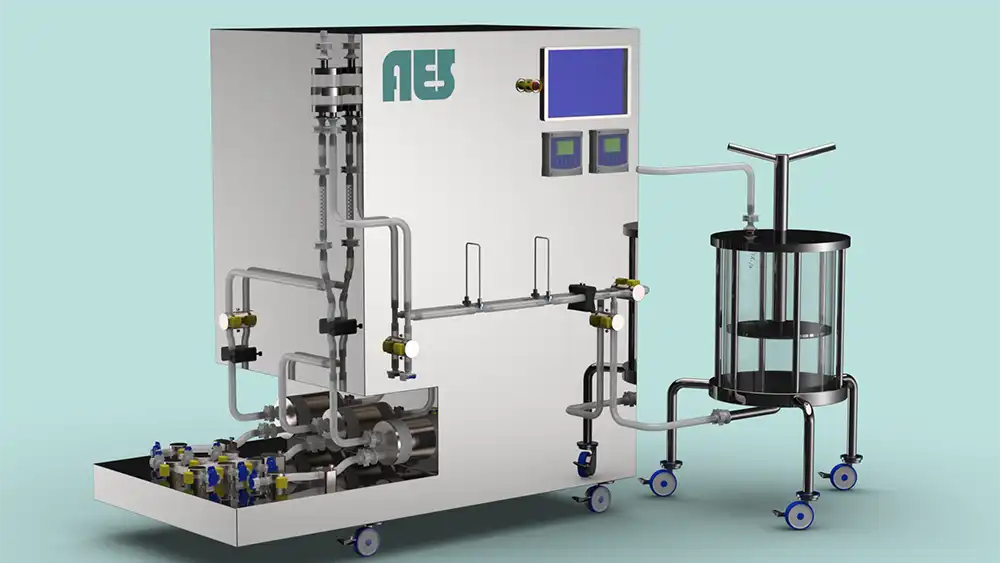
“The minimum you need from a skid vendor is their P&IDs and tagging structure… The job is knowing what their tags are and building a clean mapping to yours — that discipline is what makes integration manageable.”
Tim Schultz
Automation Engineer
Single-use skids move fast, but integration risk can quietly erode the schedule if key decisions are delayed. Clear control boundaries, an operability-first approach, and an early vendor handoff agreement are the fastest path to smooth commissioning in DeltaV-based GMP environments.